What Was Erasmus's First Name? The Answer Is Desiderius
For anyone delving into the intellectual giants of the Renaissance, the name Erasmus invariably comes to mind. He was a scholar, a theologian, a prolific writer, and a towering figure of humanism whose ideas profoundly shaped Europe. However, a common question often arises, particularly for those curious about the specifics of historical nomenclature: what was Erasmus's first name? The answer, a ten-letter word rich in meaning and history, is
Desiderius. This seemingly simple fact opens a gateway into understanding more about the man, his era, and the intellectual currents that defined his life and legacy. The inquiry `Voornaam Van Erasmus` – Dutch for "first name of Erasmus" – often leads to this crucial discovery, revealing the deliberate choices made by this influential figure in shaping his own identity.
Unveiling Desiderius: The Man Behind the Legacy
The name
Desiderius is more than just a label; it’s a chosen moniker that reflects the intellectual spirit of its bearer and the age in which he lived. Born Geert Geerts (or Gerrit Gerritsz) in Rotterdam around 1466, the future scholar adopted the name Desiderius Erasmus. "Erasmus" itself is derived from the Greek word `erasmios`, meaning "beloved" or "desired," while "Desiderius" is Latin for "desired" or "wished for." This dual classical naming convention, combining both Latin and Greek roots, was a common practice among Renaissance humanists eager to distance themselves from their humble origins and embrace a scholarly, ancient identity. It speaks volumes about his aspirations and the intellectual environment of the time.
Choosing such a name was a conscious act of self-fashioning, a declaration of his commitment to classical learning and a move that aligned him with the broader humanist movement. For many searching for the `Voornaam Van Erasmus`, discovering "Desiderius" is the first step in appreciating the layers of meaning embedded in the identities of historical figures. This name, "Desiderius," perfectly encapsulated his scholarly ambition and his desire to be recognized as a significant intellectual force. To dive deeper into the significance of his full name and its origins, you can explore
Discover Desiderius: The 10-Letter First Name of Erasmus.
Why "Desiderius" and Not Just "Erasmus"? Naming Conventions of the Renaissance
The practice of adopting Latinized or Hellenized names was widespread among scholars and intellectuals during the Renaissance. It was a symbolic break from medieval traditions and a powerful affirmation of the renewed interest in classical antiquity. For Desiderius Erasmus, this was particularly significant. His original name, Geert Geerts, would have been considered too common and vernacular for a scholar aiming to engage with the grand intellectual traditions of Greece and Rome. By styling himself "Desiderius Erasmus Roterodamus" (Erasmus of Rotterdam), he not only elevated his personal identity but also aligned himself with the international community of scholars who communicated primarily in Latin.
This adoption of a scholarly name also reflected his monastic background, where monks would often take on new names upon entering religious life. While he famously grew critical of many monastic practices, the idea of a chosen name reflecting a new spiritual or intellectual identity likely resonated with him. The 10-letter `Voornaam Van Erasmus` – Desiderius – was therefore a deliberate choice, signaling his intellectual rebirth and his dedication to the humanist project. It allowed him to project an image of classical erudition and universal scholarship, moving beyond the confines of his birthplace and into the broader European intellectual sphere.
The Enduring Impact of Desiderius Erasmus, the Scholar
Desiderius Erasmus was not merely a figure who adopted a classical name; he was a titan of intellect whose contributions reshaped religious thought, education, and literature. Often referred to simply as "Erasmus," his full name, Desiderius, highlights the intentionality behind his public persona. As a humanist, he championed the dignity of humankind, advocating for reason, education, and ethical living as pathways to spiritual and moral improvement. He believed in the power of classical texts and early Christian writings to reform both individuals and society.
Among his most significant achievements were:
- Adagia: A collection of annotated Greek and Latin proverbs, demonstrating his vast classical learning and offering moral and philosophical insights.
- In Praise of Folly: A satirical work that cleverly critiqued the superstitions, dogmas, and corruptions of society, particularly within the Church and among theologians.
- New Testament in Greek: His critical edition of the Greek New Testament (Novum Instrumentum omne) in 1516 was revolutionary. It provided scholars with a more accurate text than the Latin Vulgate, leading to new translations and profoundly influencing the Protestant Reformation.
Erasmus's influence extended across Europe, making him one of the most celebrated and controversial figures of his time. He corresponded with kings, popes, and fellow scholars, using his pen to advocate for peace, religious tolerance, and pedagogical reform. His emphasis on a "philosophy of Christ" – a simple, ethical Christianity focused on personal piety rather than elaborate rituals – resonated with many and laid groundwork for future religious reforms. For a comprehensive look at his Dutch origins and enduring impact, explore
Unveiling Desiderius: Erasmus, the Dutch Humanist from Rotterdam.
Beyond the First Name: Lesser-Known Facets and Connections
While the `Voornaam Van Erasmus` is a foundational piece of information, understanding Desiderius Erasmus involves appreciating the multifaceted nature of his life. He was a man of paradoxes: a devout Catholic who fiercely criticized the Church, a champion of peace who witnessed Europe torn by religious strife, and a scholar who valued independence above all. His intellectual journey, as hinted by the "error-prone at first" description from some historical analyses, suggests a path of continuous learning and refinement, characteristic of a true humanist.
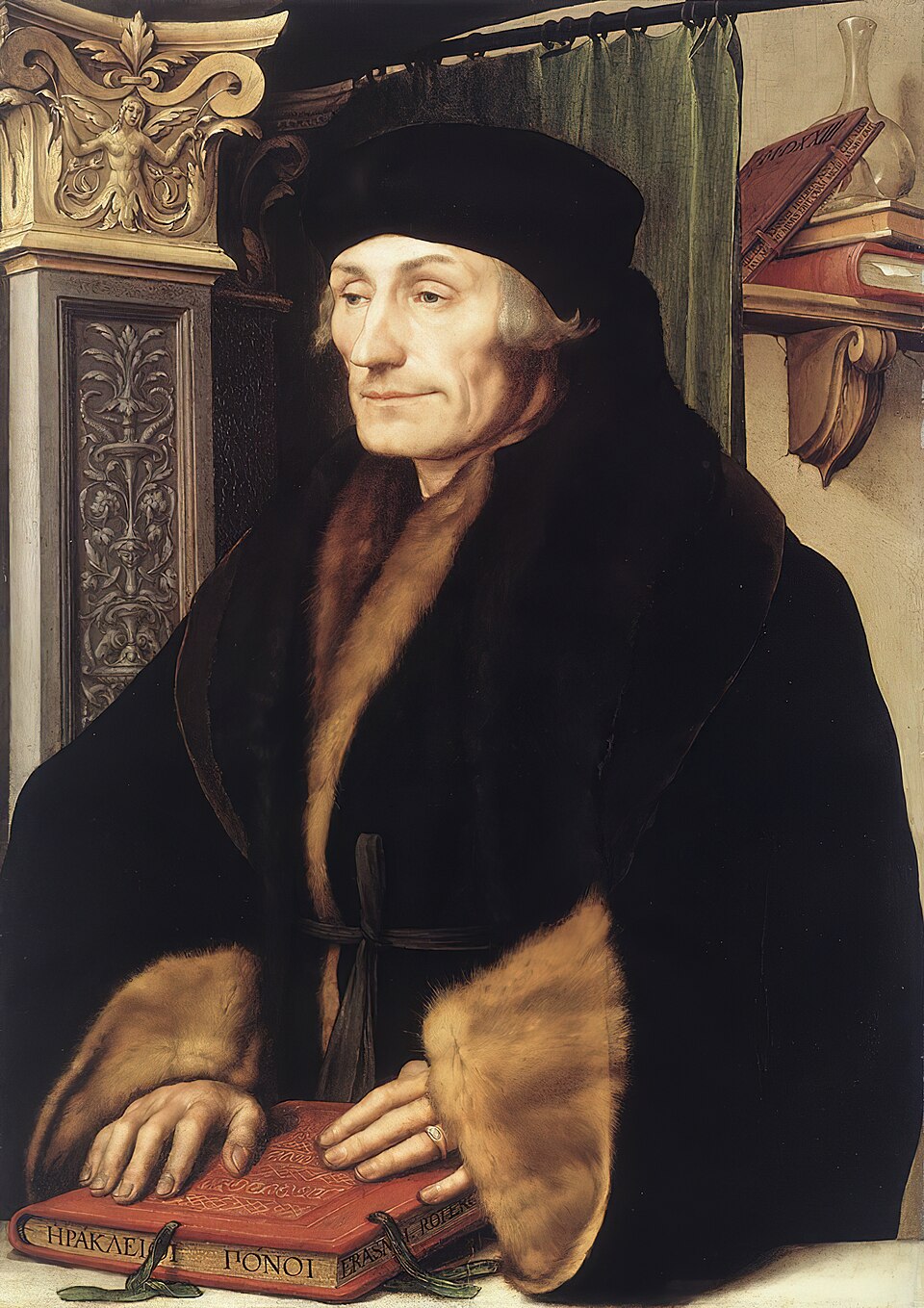
His physical appearance, immortalized by his friend and admirer
Hans Holbein the Younger, in famous portraits, depicts a contemplative, intelligent, and sometimes weary figure. Holbein's meticulous attention to detail captures the essence of a scholar engrossed in his work, a man whose ideas transcended national boundaries. Erasmus’s life was marked by constant travel across Europe – from the Netherlands to France, England, Italy, and Switzerland – allowing him to connect with a vast network of intellectuals and printers, effectively becoming Europe's first true literary celebrity. His practical advice, often embedded in his extensive correspondence, touched on everything from educational methods to the pursuit of genuine piety, solidifying his role as a public intellectual deeply invested in the moral and intellectual improvement of society.
Furthermore, his influence can be seen in the very fabric of modern education and scholarly inquiry. He advocated for a curriculum that balanced classical learning with moral instruction, emphasizing critical thinking and textual analysis. This commitment to rigorous scholarship and accessible education continues to be a cornerstone of academic pursuits today. Learning about his full name, Desiderius, is not just a trivia fact; it's an entry point to appreciating the intentionality, ambition, and historical context of one of history's most pivotal thinkers.
Conclusion
The question, `Voornaam Van Erasmus`, ultimately leads to the insightful answer:
Desiderius. This 10-letter first name, chosen by the famed Dutch humanist himself, is a powerful symbol of his dedication to classical learning and his ambition to leave an indelible mark on European intellectual history. From his birthplace in Rotterdam to his far-reaching influence across the continent, Desiderius Erasmus embodied the spirit of the Renaissance, challenging convention, advocating for reform, and championing the power of education and critical thought. His decision to adopt a name with deep classical roots was not merely an affectation but a profound statement of identity, reflecting his aspirations as a scholar who sought to bridge ancient wisdom with contemporary challenges. Understanding his full name is a vital step in truly appreciating the enduring legacy of this pivotal figure who shaped much of what we understand about humanism, scholarship, and the pursuit of knowledge.